The Benefits of Plant Based Proteins
Article Insights
Transitioning toward wholesome botanical proteins provides far more than muscular repair. Sourcing our primary nitrogen from clean legumes, ancient grains, and raw seeds rebalances the microbiome, stabilizes metabolic output, and reduces systemic inflammatory responses across the entire body.
Rethinking the Complete Amino Acid Equation
For decades, conventional nutrition repeated the myth that botanical proteins were fundamentally incomplete and required strict mathematical pairing within a single sitting. Modern metabolic research demonstrates that our liver continuously maintains an active free amino acid pool throughout a twenty-four-hour cycle. When you consume diverse unrefined foods over the course of the day, your physiology seamlessly extracts and synthesizes every essential peptide needed for cellular renewal.
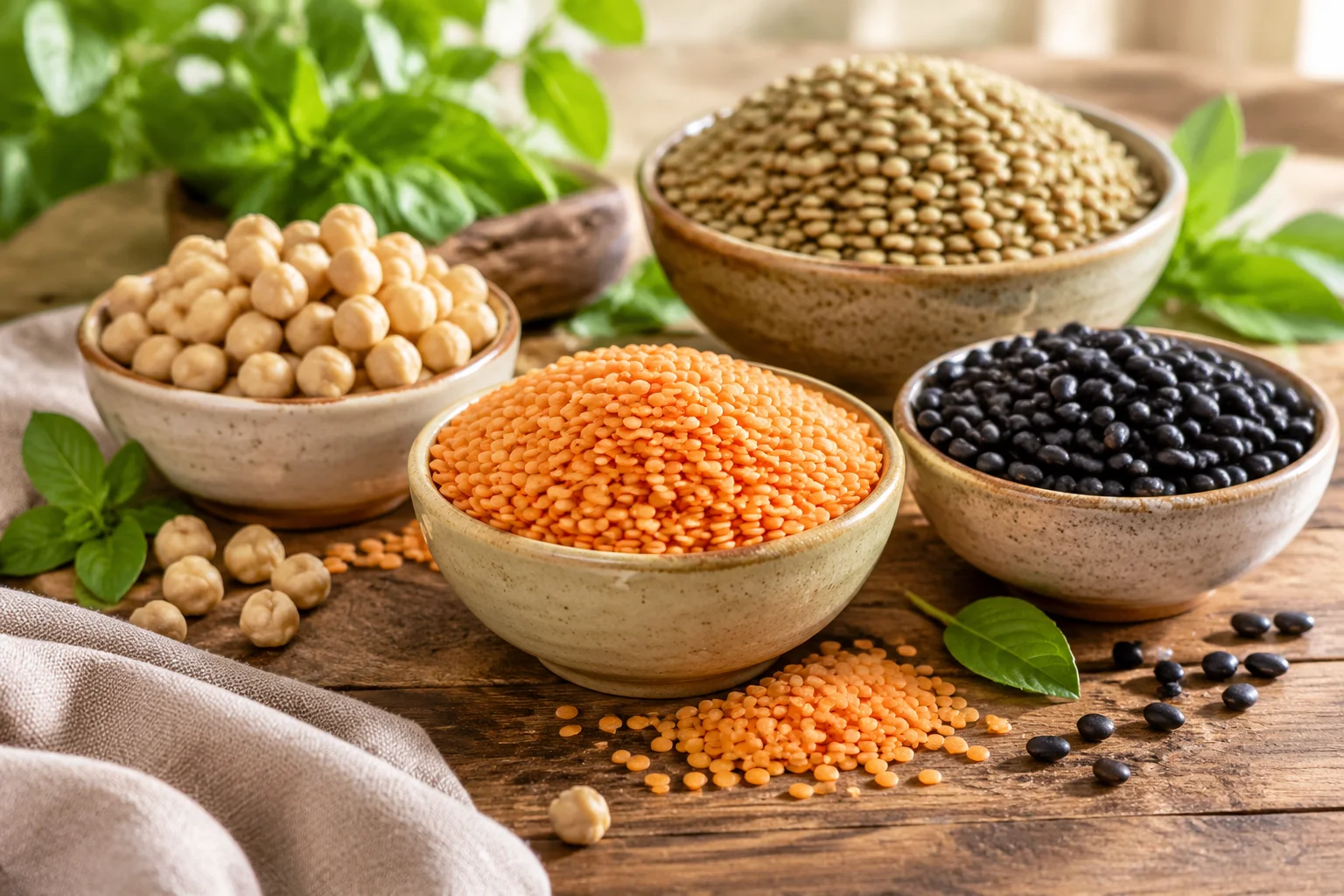
Grains such as quinoa and wild rice supply methionine and tryptophan, while legumes like lentils and chickpeas contribute dense concentrations of lysine. Together, these clean plant staples generate balanced structural proteins without loading your digestive tract with excessive saturated fats, sodium preservatives, or inflammatory cholesterol.
Plant proteins do not simply deliver clean building blocks; they arrive naturally packaged with cellular antioxidants, bioavailable minerals, and prebiotic fibers that fundamentally rejuvenate digestive health.
— Emma Watson, Natural Nutrition Specialist
Microbiome Vitality and Metabolic Stability
The decisive contrast between animal-based proteins and whole plant alternatives rests in the nutritional package. Plant proteins bring dense structural fiber matrices that modulate digestion rates, producing gentle glucose curves and lasting physical satiety.
- Gradual Glycemic Response: Insoluble and soluble prebiotic fibers prevent rapid postprandial insulin surges, maintaining consistent mental focus and sustained stamina.
- Enhanced Microflora Diversity: Fermentation of complex carbohydrates by beneficial colon microbes yields short-chain fatty acids like butyrate, reinforcing intestinal walls.
- Cardiovascular Preservation: Botanical sterols and abundant potassium support healthy arterial elasticity while keeping circulating lipid levels balanced.
Key Takeaways
1. Vary your staples across the day by combining legumes, seeds, and ancient grains to achieve an abundant spectrum of essential amino acids.
2. Choose whole, unprocessed pantry ingredients over isolated protein powders or heavily formulated synthetic meat substitutes.
3. Soak, rinse, or lightly ferment legumes and grains to deactivate natural phytates and optimize digestive bioavailability.
Seamless Integration Into Daily Cooking
Adopting nourishing plant proteins into your lifestyle requires minimal effort. Stir raw hemp hearts or roasted pumpkin seeds into your breakfast bowls, substitute refined flour noodles with red lentil spirals, or prepare slow-simmered vegetable broths enriched with split peas. By selecting pure, minimally processed pantry items, you fuel cellular vitality with honest, earth-grown vitality.